Parma
Emilia-Romagna
World-famous for Prosciutto di Parma and Parmigiano Reggiano cheese. Essential stop for cheese and charcuterie lovers.
World-famous for Prosciutto di Parma and Parmigiano Reggiano cheese. Essential stop for cheese and charcuterie lovers.
You've probably heard of Parma before. Maybe not the city itself, but something tells us you know about Parmigiano-Reggiano (as can be known as Parmesan in English speaking countries) and Prosciutto di Parma (often just labeled “Prosciutto” elsewhere). These delicious foods originate from Parma and there is truly something different when you try them at the source.
Located on a very convenient train route between Milan to the northwest and Bologna to the southeast, Parma is easily accessible from other major cities, with Genoa due west and Florence due south. It’s also not terribly far from Venice. In other words, it’s centrally located in the northern part of Italy.
Its population is just about 200,000, and it’s a university city (one of the oldest in the world!), so you get the small town, young people vibe. There’s definitely culture and history everywhere (let’s not forget where we are after all), but, if you’re a foodie, it’s a must see.

Best Airport(s)
Bologna (BLQ), Milan Linate (LIN), Milan Malpensa (MXP)
Estimated Time (Airport → City)
BLQ → Parma: ~60–90 min (car) / ~1h00–1h30 (train)
LIN → Parma: ~1h20–2h00 (car) / ~1h30–2h15 (train)
MXP → Parma: ~1h45–2h30 (car) / ~2h30–3h30 (train)
Main Train Station
Parma
Quick Tip
Parma is well connected on the Milan–Bologna rail corridor.

Jump to:
We stayed in the heart of Parma on a very short trip. The location was fantastic for exploring the charming streets of the city, and was located near our favorite restaurant of the trip. Parma does not have the best of options when it comes to lodging on shorter stays, in my opinion. They do have an NH Collection property next to the train station, which offers large, modern rooms with all of the hotel amenities. It wasn't out favorite part of town, but convenient if you are arriving/departing by train. If you are looking for something with great reviews and in a great area, our recommendation would be to stay at this Palazzo (links also below to book).

This inventive ristorante makes its pizza the star. Everything about the pizza is unique - the type of dough they use makes it thicker than a normal crust, giving a crispy finish without being overly dense. They branch out from always using a traditional tomato sauce for their pizzas. We opted for the zucca (pumpkin) pizza special which they paired with cotechino. This combination was so good that we're still dreaming about it 2 years later! They also had an amazing selection of pastas and dessert. We ordered the sbrisolona...and if you’ve read about our time in Verona, you’ll know how much we love the crumbly, almond cookie dessert!
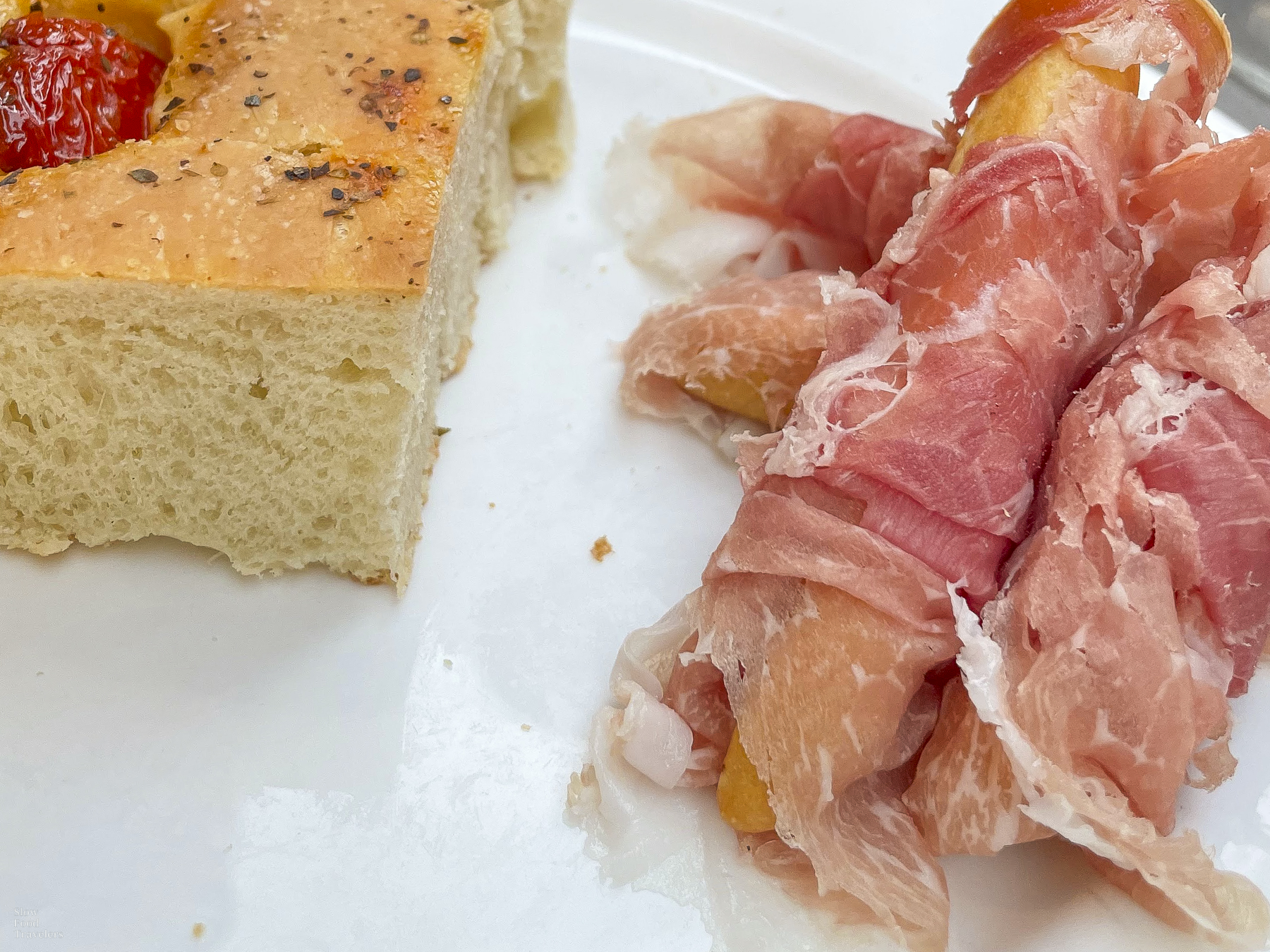
Prosciutto di Parma is a renowned dry-cured ham that comes from the Parma region. The ham is dry-salted and aged for a minimum of 12 months, though some varieties are aged for up to 24 months. The result is a delicate, melt-in-your-mouth texture, with a rich, savory flavor. Prosciutto di Parma is often sliced thinly and enjoyed as a part of antipasti platters, paired with melon, wrapped around breadsticks (grissini), or used as a topping for pizzas and pastas. Its distinct quality and taste have made it a beloved ingredient in Italian cuisine.
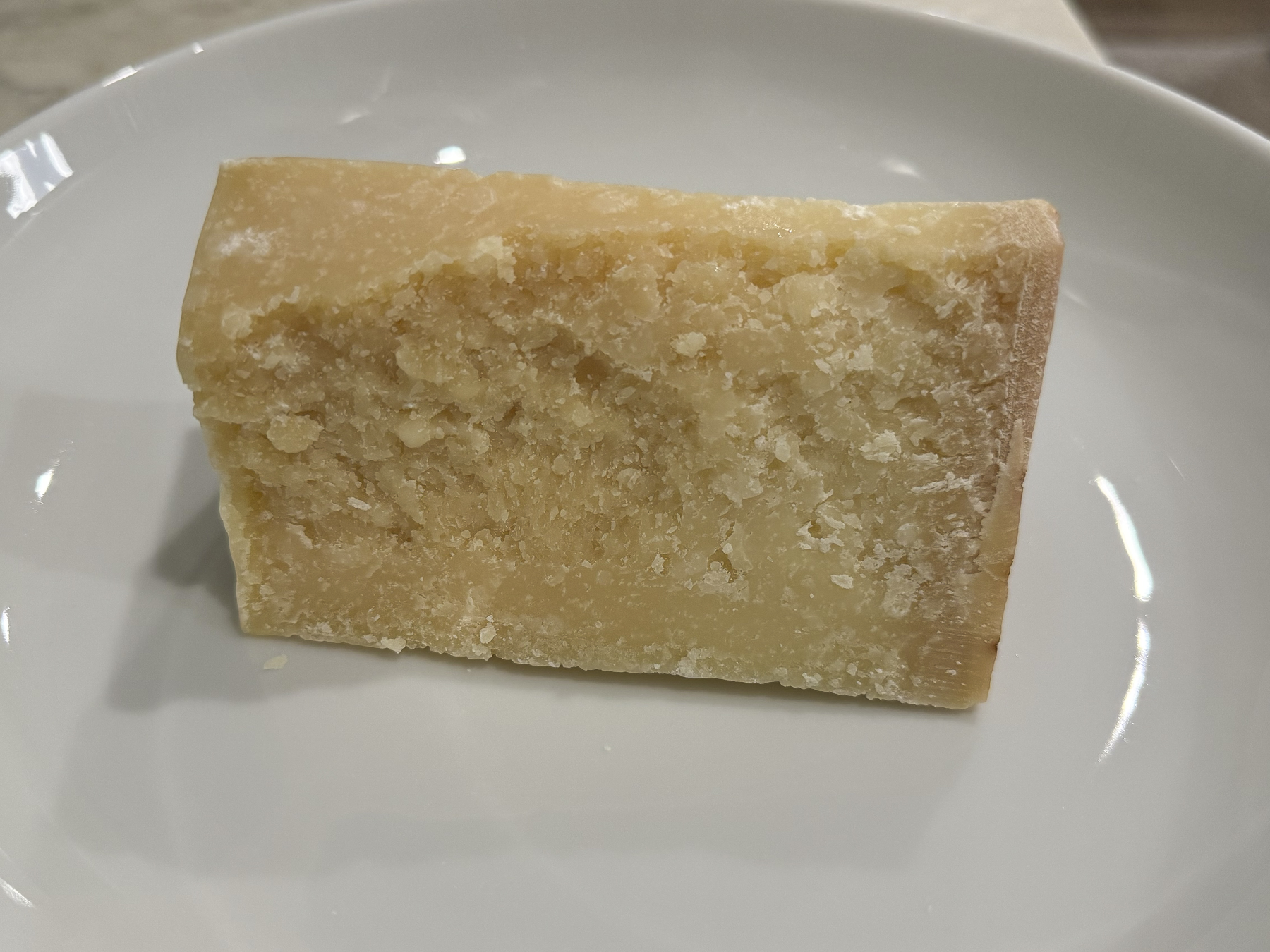
Parmigiano Reggiano, also known as Parmesan cheese, is a high-quality Italian cheese that originates from the regions of Parma, Reggio Emilia, Modena, Bologna, and Mantua. It is made from cow's milk and is renowned for its distinctive flavor and granular texture. Parmigiano Reggiano is aged for a minimum of 12 months, but some varieties are aged for even longer, resulting in a more intense flavor. It is commonly grated and used as a topping for pasta, risotto, soups, and salads, or enjoyed on its own as a delicious, savory snack.
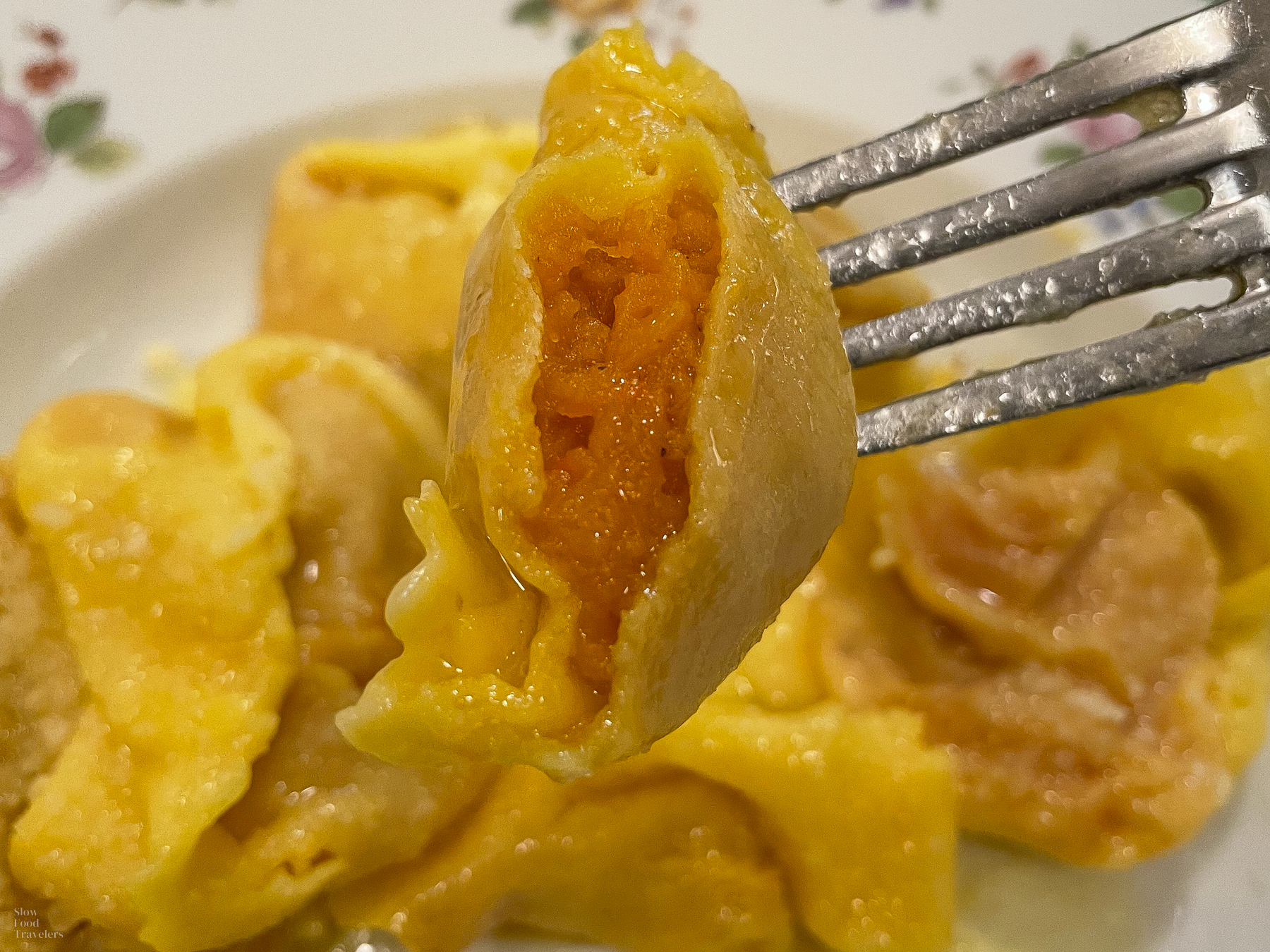
Zucca is the Italian word for "pumpkin", refers to a variety of winter squash that are commonly used in Italian cuisine (more commonly in northern Italy). In Italian cuisine, pumpkin is often celebrated during the autumn season and used in a variety of savory and sweet recipes due to its vibrant color, mild sweetness, and versatile culinary properties. It is delicious in and on everything we have ever tried (even on pizza/pinsa!).
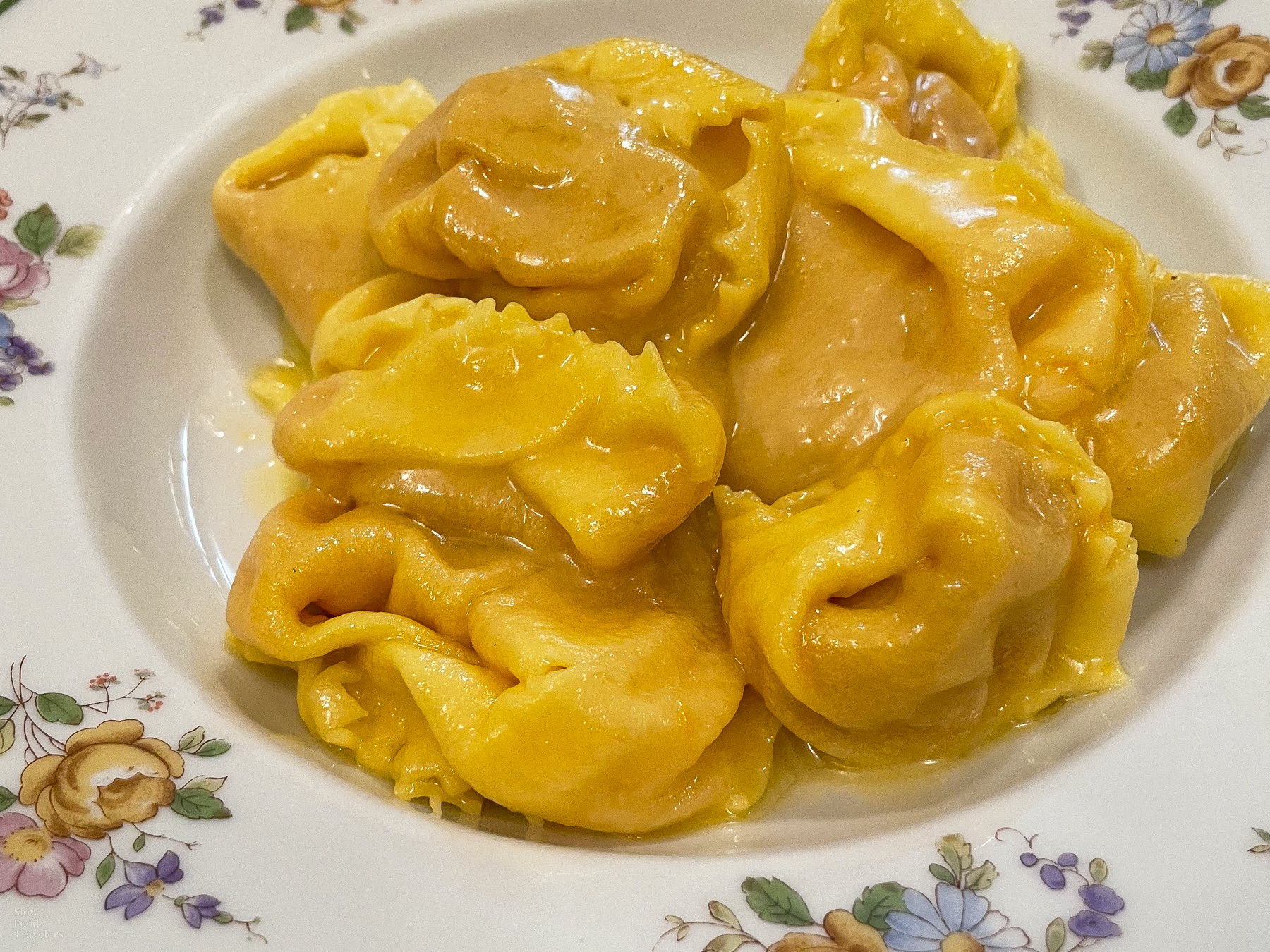
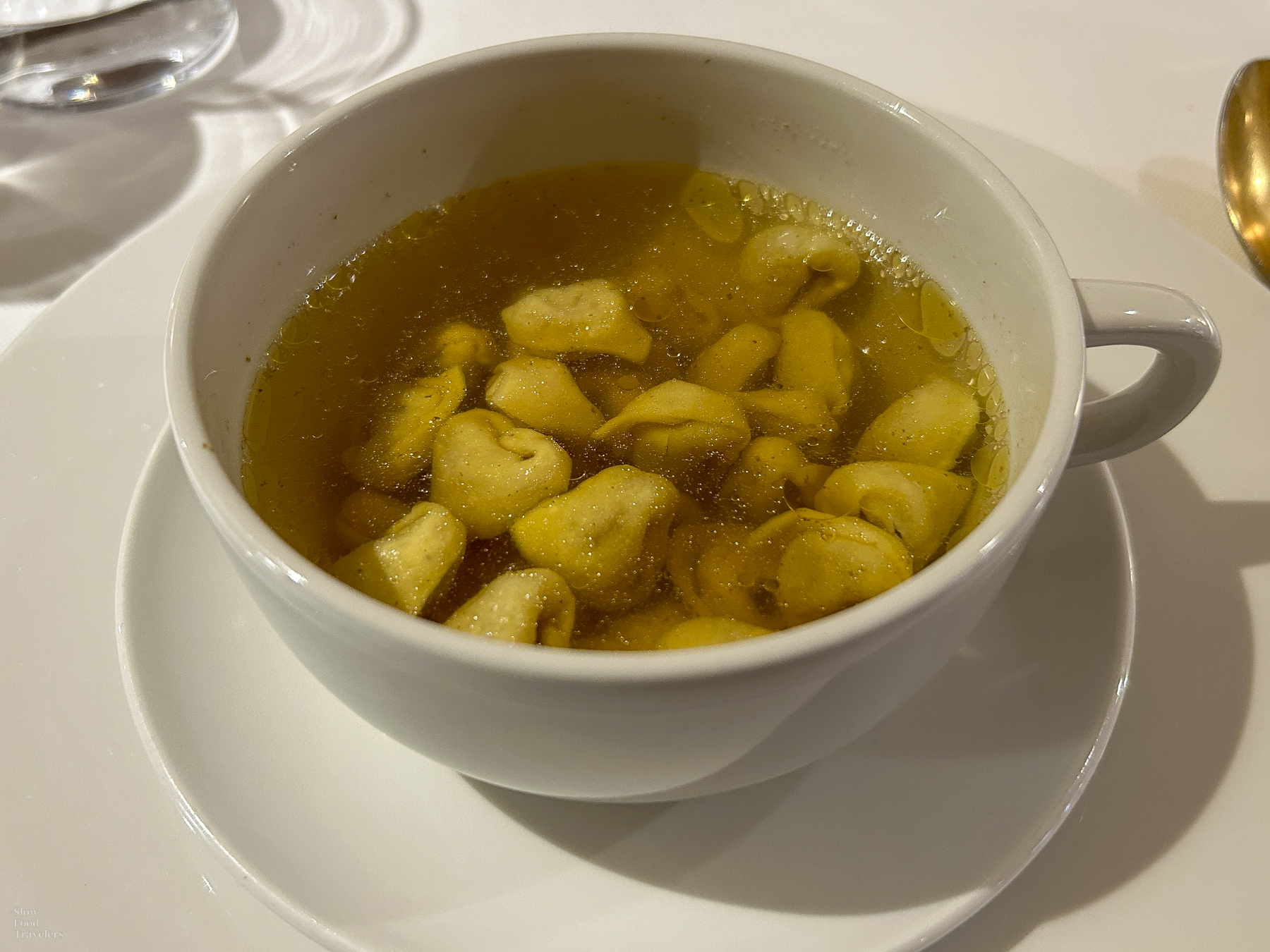
Tortellini in brodo consists of small, stuffed pasta rings (tortellini) served in a flavorful broth (brodo). Tortellini is typically filled with a mixture of meats, cheese, or vegetables. The broth is a light and savory soup, usually made from chicken/capon, beef, or vegetable stock. I'll admit - before trying this, I thought to myself, "what's so special about putting pasta in a broth?" I'm glad I got past my doubts and tried it.. because now I know of another way to have pasta that I adore. The broth brings a different dimension to a dish that I thought was tried and true. It's very comforting and surprisingly addicting. You won't be able to stop eating it!
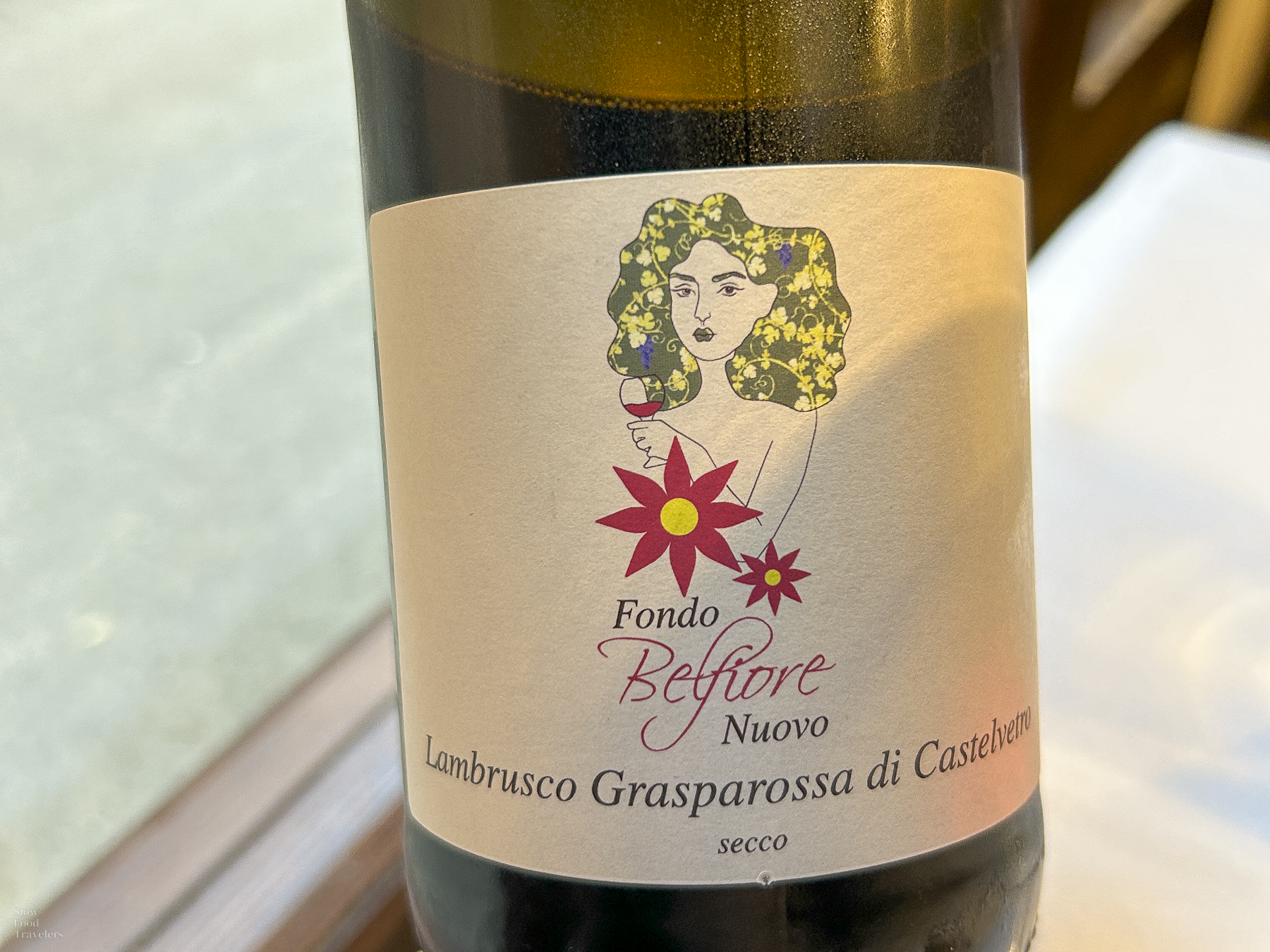
Have you ever had a sparkling red wine? If not, lambrusco is a great one to start with! Made with the grape of the same name, this is a refreshing wine that goes well with all the local favorites - gnocco fritto, dried meats, aged cheeses - or even just by itself! Lambrusco is known for its slightly sweet and fizzy characteristics. You can also opt for a drier version - look for 'secco' in the name - if you prefer!


.svg)


Where will your next journey in Italia take you?